Photojournalism
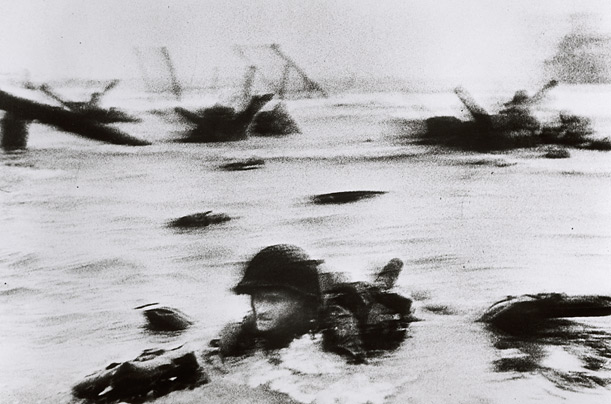
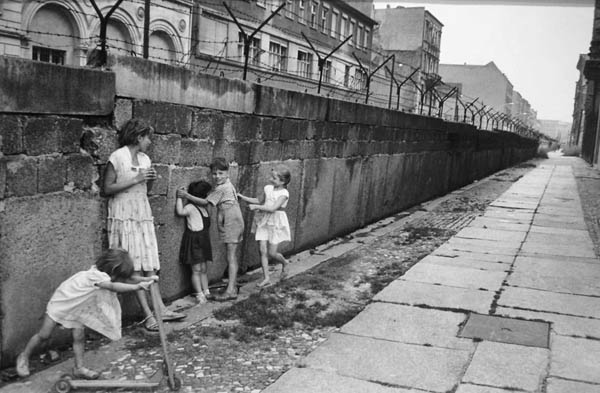
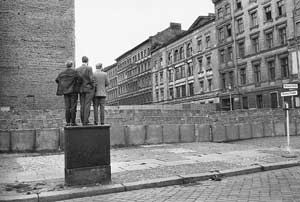
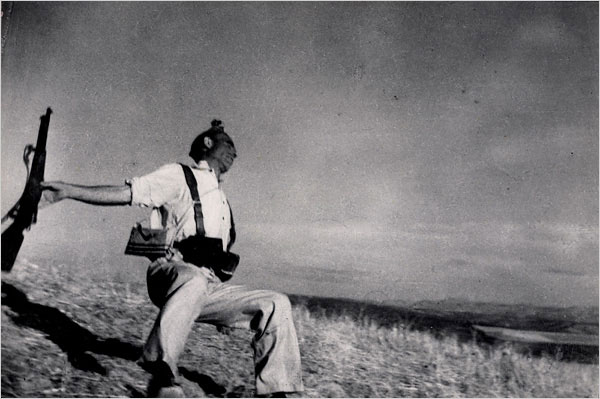
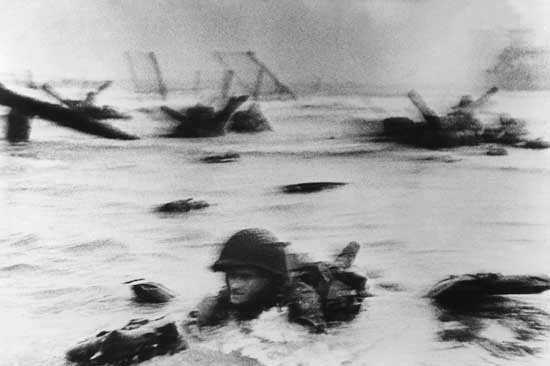
Photojournalism is a type of journalism that shows and tells events through the use of images. It has been around since the 1860s. It began with images being hand drawn and then later progressed to the use of the camera. The Decisive Moment The decisive moment is taking a photo that is not staged. In most situations the subjects of the photo are not aware that it is being take, this allows it to be more natural and show the truth. This form of photography is regarded as the only way that reality can be depicted truthfully. Henri Cartier-Bresson Henri Cartier-Bresson was considered to be the father of modern photojournalism. As know to be “the master of candid photography” his work demonstrated the start of what decisive moment is. His ideas were photograph subjects who were not aware of the camera. Bresson's photos had no political agenda and were not staged; he showed society how it really was. Modern “street photography” or “real life reportage” has been heavily influenced by Henri Cartier-Bresson. Robert Capa Robert Capa was a combat photojournalist. He covered five different wars: The Spanish civil war, the second Sino-Japanese war, World War II across Europe,the 1948 Arab-Israeli War, and the First Indochina War. Capa’s work demonstrates how powerful decisive moment photography can be. His photos portray the violence of war with a unique and stylised impact. This can be shown in his photographs of 1944 Normandy Invasion.
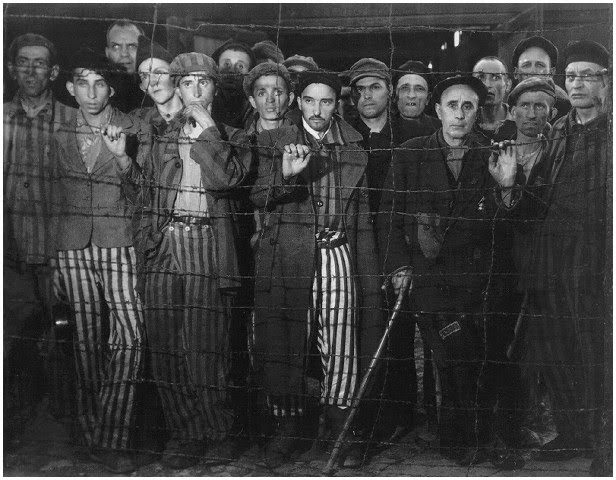
Margaret Bourke-White Margaret Bourke-White was the first female photographer allowed to go into combat war zones to take pictures. And was also the first foreign photographer allowed to take photos of the Soviet industry. Bourke-white began her career as a photojournalist in 1929 when she accepted a job as an associate editor and photographer for fortune magazine. Her photographs showed honesty to the event for example, her photograph of a man’s head that had just been executed. Whilst she travelled around Russia taking photographs, it was clear that she was depicting reality rather than trying to “sugar coat” it. She tried to sell her footage from Russia to a Hollywood studio but they turned it down as they were afraid it was propaganda.
|
Decisive Moment VS Ontology
When photographers go out into society they can either decide to capture reality as it is or alter it. By alterations, this would mean they would approach the subjects and maybe ask them to freeze in a position and make them aware of the image. This then creates a “staged reality” as once the subject is aware of the camera and there had been interaction between the subject and photographer, than reality is no longer captured in all its authenticity. On the other hand, when capturing decisive moment the aim is to capture the world the way it is without any noted awareness of the camera. This would require the subjects to either not be aware of the camera or not be manipulated by it; resulting in a completely natural and truthful insight into reality. To an extent however, I feel that the camera can only capture reality if the subject has no awareness of the camera, once a subject becomes aware their behaviour changes. Often the timing of an image is everything. For example, Robert Cappa was a war photographer and his images have been seen as both revealing and propaganda. Many of his images depict a side of war that the press would try and hide. This then leads to the debate of how truthful can an image be?
Photojournalism’s impact on society
As aforementioned Robert Cappa’s work portrayed a dark side of war. This demonstrates how an image can alter a person’s view on an issue, in most cases political. Once something is revealed in a photo it is then seen as utterly truthful as an image to an extent works as proof. Today the media is very controlling as to what images and footage of war we see. For example, you would never see images on Television to the extent of one’s shown of the Vietnam War. Images of the War in Iraq are regulated quite strictly; the media only show us what they feel we should see. This is often because of the fear of negative propaganda. However, there are alternate ways to see the “true” war and that is through the internet as it is not regulated as strictly as the news broadcasters.