Professional Practice
As the director for our greyhound documentary, I have looked into what is required to complete this role and all the that is required of the team. The vision is an important part of the documentary. We depend on the visuals to show the audience what is going on, it can develop the narrative and enforce opinions a reaction of some sort. As the director it is my responsibility to ensure the shot types, angles and positioning of the camera is being adhered to, working along side and assisting the director of photography. I will be observing the set up as a whole whilst shooting on location. Liaising with the Producer is vital when it comes to location, people, and budget. Other technicalities on shoot will include, checking up with sound – making sure there is no ambient noise interfering. In post production I will be communicating with the editor to check the consistency of the shots. 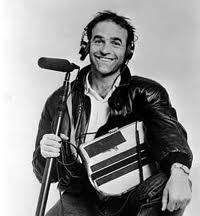 Director Nick Broomfield | 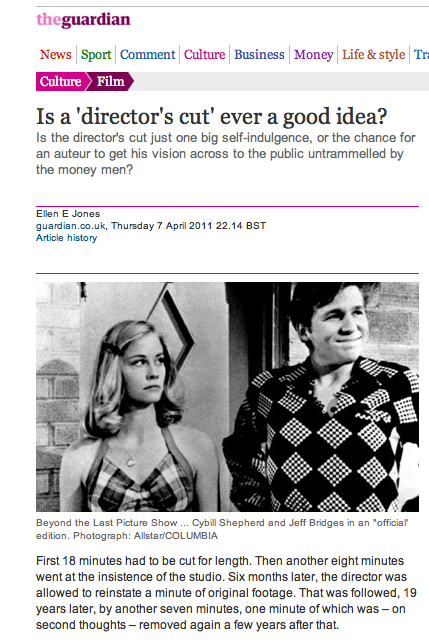 Is a director’s cut ever a good idea? - Ellen E Jones An article found on the Guardian website under culture, film.It goes into the importance of a director’s role, and that it the director’s vision is not always put across. http://www.guardian.co.uk/film/2011/apr/07/rise-of-the-directors-cut |
Paperwork: Risk assessments & location Recce In concern of risks during filming, it is my responsibility, as director, to liaise with the producer to ensure that there are no restrictions when filming our documentary; I have filled out risk assessment forms outlining the risks and the solution to minimising them and checked them with the producer and the other crew members. Examples of risks and solutions: Over the Christmas holiday period between late December and mid January our group will go out and visit the locations we aim to shoot at. For convenience and to save money, as a group, we have decided to split up the location recce’s into the following;
For example; Ainsley Brooks, D.o.P will need to get a vision of what he will be filming… shot types, tracking etc.
| 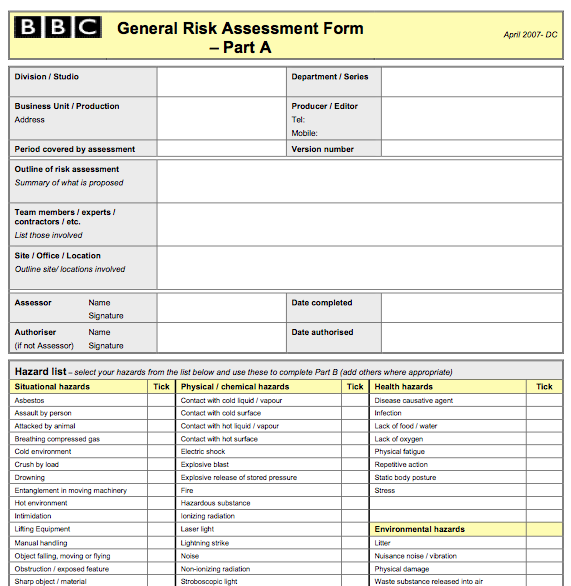 Example of a risk assessment: official from the BBC health and safety section.
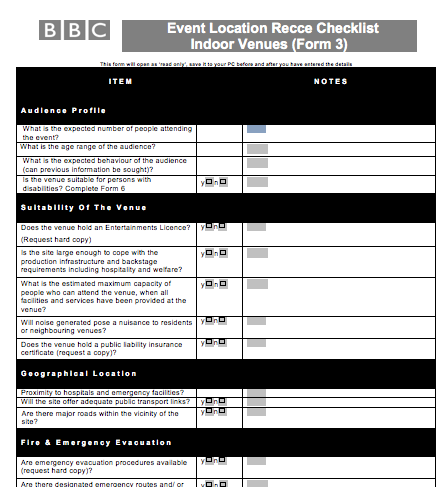 Example of Location Recce: official BBC event location checklist |
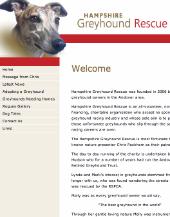
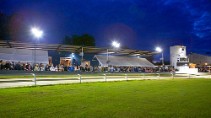

Rules and Regulations It is vital that anything that is going to be broadcasted follows rules and regulations. I have looked into the BBC editorial values and the codes of conduct of Ofcom. For our greyhound documentary, I have selected the rules and regulations that will apply to us when filming according to locations and participants in our documentary. BBC Section 1: The BBC’s editorial values Trust – building a connection with our primaries so they know and understand our intentions, what we want our audience to see and how we will portray their side of the story. We will explain to each of our participant’s what information we would hope to understand and give them the opportunity to see the footage afterwards. We also, do not intend on misleading our audience in any way, as it is for them to decide on what they see is truth. Truth and Accuracy – During pre production we will go and meet our participants to get to know what they are about. We have done our secondary research to get the basics of each, however we intend on asking questions and gaining facts before going out to film. Fairness – we will give the opportunity for all our participant’s to view their opinion and to show both sides of the fence – the relationship between owner and his greyhound, the ethics of the greyhound stadium and the downside to greyhound racing at the rescue centre. Impartiality – not expressing a personal view at any given time. We are only going to be observant to what we see and not use a voice of God as this is a touching subject and we do not intend to cause offence to anyone involved in filming or our audience. Rights of reply – we intend on being balanced so are going to allow for both opinions to come across. If the rescue centre says that all greyhound trainers are in the wrong we will give our primaries the opportunity to respond and defend their case. Section 5: Harm and Offence Language – As we will be interviewing people with strong beliefs – our primaries or members of the public may be prone to using offensive language. However, we will politely ask our interviewees to avoid such language during filming. Section 6: Fairness & Contributors consent Release forms So that we can use footage of all participant’s who take part during filming we will need to have their written consent to provide proof before it can be screened and taken to festival. We will take a Silver Line productions release form for each primary contact, one for the rescue centre and several for the stadium – manager (experts), members and public who may feature in our documentary. Section 18: The Law 18.4 Defamation – we will not twist any one of our participant’s words or actions. We will not be liable or slanderous in any way, and will not offend our participant’s in the making of our documentary. OfCom This regulator provides codes that are similar to those of values of the BBC. I understand that not all apply to our documentary, however I have looked at all to gain a better view of what to expect when filming. Under the fairness code: 7.12 Non participation As one of locations is at a stadium we make the public aware that we are filming, so they have the chance to say whether it’s ok for their face to be shown on camera. The public or members have the right to decide if they want to take part or not and we will rightly follow their decision.
Those to consider but may or may not apply: Protecting the under 18’s – As we will be surrounded by the general public at the stadium, in case of bad language being used by public we will need to show this after watershed to not offend parents with children under the age of 18. After watershed it is the parent’s responsibility as to whether their child sees this documentary or not. Crime – We do not intend on filming someone taking part in a criminal act, in our case, someone attacking a greyhound. However if it is incidentally caught on camera we will have to consider whether this footage would be worth showing to or not. If we do have footage that may harm or offend our audience we will use this disclaimer in the opening credits of our documentary:
“This film contains content intended for a mature audience - viewer's discretion is advised. Any opinions expressed in this film do not necessarily reflect the views of The University of Winchester". |
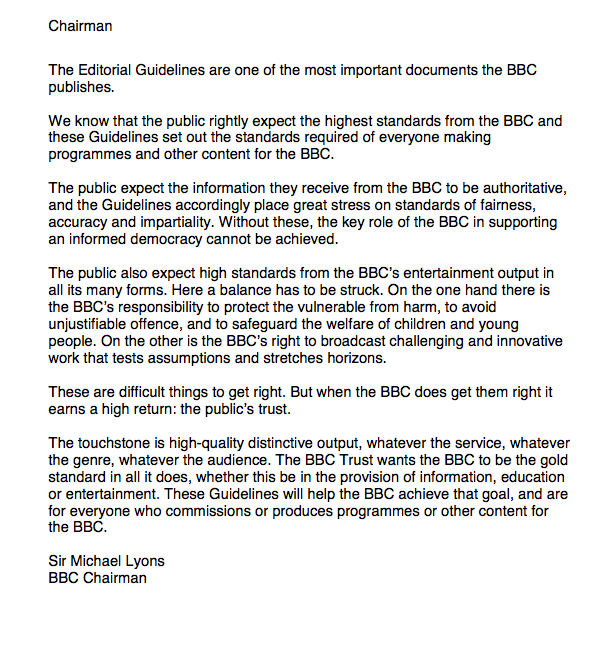 statement from the BBC Chairman 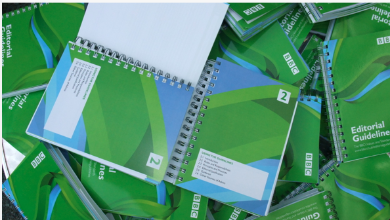 Image: Editorial Guidelines 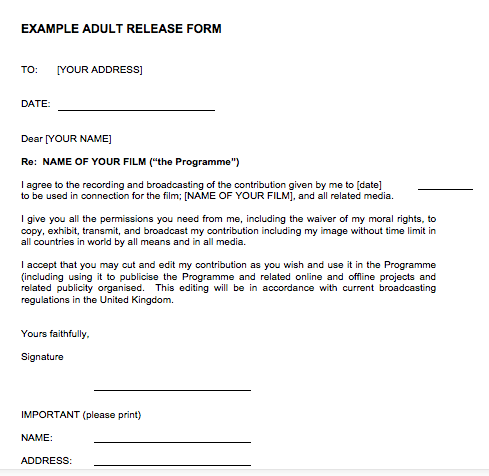 Example of a release form
http://stakeholders.ofcom.org.uk/broadcasting/guidance/programme-guidance/bguidance/ |